Field briefing
How Legal Data Analysis Transforms Litigation, Contract Management, and Compliance
Legal data analysis transforms large volumes of legal information into clear insights that drive better decisions across litigation, compliance, and contract management.
As corporate and firm legal teams face growing data volumes from emails, contracts, filings, and discovery collections, applying structured analysis turns complexity into a competitive advantage.
Why legal data analysis matters
– Faster case assessment: Early pattern detection in case law, outcomes, and opposing counsel behavior helps prioritize matters and allocate resources more strategically.
– Smarter discovery: Advanced filtering and concept clustering reduce review scope while improving accuracy, cutting time and cost.
– Risk visibility: Contract and transactional analytics surface exposure points—clauses, counterparties, or obligations—so teams can remediate proactively.
– Operational efficiency: Workflow metrics and matter-level dashboards reveal bottlenecks and enable data-driven staffing and vendor decisions.
Core capabilities
– Data ingestion and normalization: Aggregating documents from multiple systems and normalizing metadata is foundational. Consistent taxonomies and deduplication prevent noise and enable reliable analysis.
– Text analytics: Techniques that extract entities, identify clauses, and map concepts across thousands of documents make unstructured text searchable and comparable without manual review.
– Predictive analytics and scoring: Statistical models that score documents, matters, or counterparties for risk, relevance, or expected outcome help prioritize review and settlement decisions.
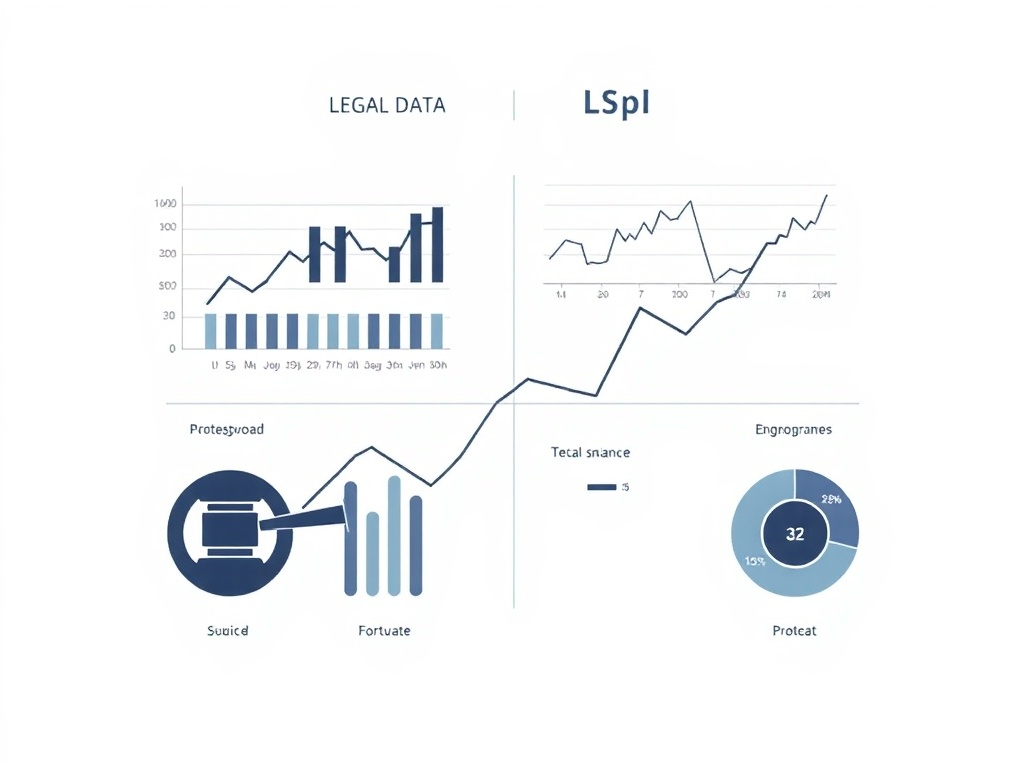
– Visualization and dashboards: Interactive charts, heat maps, and timelines translate analysis into actionable insights for legal stakeholders and executives.
Common applications
– e-Discovery: Reducing review scope through relevance scoring and clustering, accelerating responsiveness to discovery requests while preserving defensibility.
– Contract lifecycle management: Automating clause extraction, obligation tracking, and renewal alerts to reduce missed deadlines and unfavorable terms.
– Litigation and opposing counsel analytics: Identifying historical win rates, motion success patterns, and typical timelines for specific venues and judges.
– Compliance monitoring: Continuous surveillance of transactions or communications against policy rules to detect potential regulatory breaches early.
Best practices for implementation
– Start with a focused pilot: Choose a high-impact use case—such as a recurring contract type or a backlog of discovery—and validate benefits before scaling.
– Invest in data governance: Clear ownership, standardized metadata, and retention rules ensure analysis is accurate and defensible.
– Blend legal expertise with analytics: Pair subject-matter experts with data analysts to ensure models and taxonomies reflect legal nuance.
– Validate and iterate: Regularly test predictive scores and extraction accuracy against human review and refine processes based on findings.
– Preserve auditability: Maintain transparent logs of decisions and model outputs to support privilege assertions and regulatory scrutiny.
Ethics and privacy considerations
Handling privileged or personal data requires strict access controls, purpose limitation, and secure retention practices. Ensure analytics workflows include review gates and that outputs are used in ways consistent with ethical and regulatory obligations.
Getting started
Map a clear business objective, gather a representative dataset, and run a time-boxed pilot with measurable KPIs—reduction in review hours, faster contract turnaround, or fewer compliance incidents.
Use those early wins to build stakeholder support and expand capabilities across the legal organization.
Legal data analysis is a practical path to greater predictability and efficiency. Teams that couple legal judgment with disciplined data practices unlock insights that improve outcomes, control costs, and reduce risk across the lifecycle of legal work.