Field briefing
Legal Data Analysis: A Practical Guide to Turning Legal Work into Actionable Insights
Legal Data Analysis: Turning Legal Work into Actionable Insight
What is legal data analysis?
Legal data analysis applies analytics techniques to legal information to reveal trends, predict outcomes, and streamline workflows. By treating legal documents, court records, contracts, and operational metrics as structured data, legal teams unlock visibility into risk, cost drivers, and opportunities for efficiency across litigation, compliance, and transactional work.
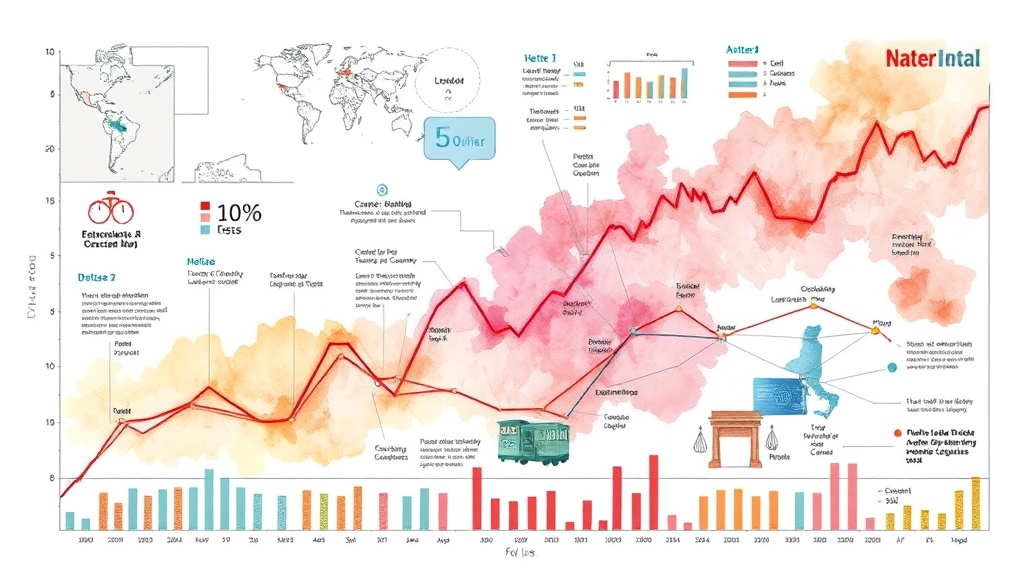
Key applications
– E-discovery and document review: Automated triage and relevance scoring reduce manual review volumes and accelerate responsiveness to legal holds and discovery requests.
– Contract analytics and lifecycle management: Extraction of key clauses, obligation tracking, and renewal alerts improve compliance and reduce missed obligations.
– Litigation analytics: Analysis of past judges’ rulings, opposing counsel behavior, and venue trends helps shape litigation strategy and settlement planning.
– Regulatory compliance and monitoring: Continuous analysis of regulatory filings, policy changes, and internal processes helps maintain compliance and identify potential violations early.
– Legal operations and budgeting: Timekeeper data, matter spend, and workflow metrics inform more accurate forecasting and process improvements.
Data sources to prioritize
High-impact legal analytics starts with the right data.
Typical sources include court dockets and opinions, internal documents and emails under legal hold, contract repositories and clause libraries, matter management systems, billing and time-entry records, and public regulatory databases. Aggregating these sources with consistent metadata allows reliable cross-analysis.
Benefits that matter
– Faster decision-making: Ready access to case trends and contract risk profiles shortens strategic planning cycles.
– Cost containment: Reducing redundant review and automating routine tasks lowers outside counsel spend and internal labor.
– Better outcomes: Data-driven insights inform negotiation and litigation tactics, improving settlement and litigation outcomes.
– Proactive compliance: Automated monitoring flags compliance gaps before they escalate into enforcement actions.
Practical best practices
– Start with defined use cases: Pick one high-value problem—such as contract renewal risk or discovery review—and scope a pilot to prove value.
– Ensure strong data governance: Standardize metadata, maintain secure access controls, and document sourcing and transformation rules.
– Involve cross-functional teams: Legal, IT, compliance, and finance stakeholders help align requirements and operationalize insights.
– Validate continuously: Regularly test analytics outputs against human review to maintain accuracy and mitigate drift.
– Preserve privilege and privacy: Implement safeguards for privileged content, anonymize sensitive fields when possible, and comply with data protection obligations.
Challenges and risk management
Data quality and fragmentation are frequent obstacles—missing metadata or inconsistent filing practices degrade model performance. Ethical and legal risks include inadvertent disclosure of privileged material, biased outcome predictions, and regulatory uncertainty around automated decisioning. Address these risks through robust review workflows, clear audit trails, and conservative escalation rules.
Tools to consider
Look for categories rather than single features: e-discovery platforms, contract lifecycle management systems with extraction capabilities, litigation analytics dashboards, legal spend and matter management tools, and enterprise business intelligence platforms that can integrate legal datasets.
Getting started
Begin by auditing data sources and mapping the highest-cost or highest-risk processes. Run a focused pilot with measurable success criteria—reduction in review hours, faster contract cycle time, or improved predictability of case outcomes—and scale based on demonstrated ROI.
With disciplined governance and targeted use cases, legal data analysis becomes a strategic lever for smarter legal operations and risk management.