Field briefing
Legal Data Analysis: How Law Firms and In-House Teams Speed E-Discovery, Reduce Costs, and Strengthen Compliance
Legal data analysis turns masses of legal text, filings and business records into actionable insights that improve case strategy, reduce costs and strengthen compliance. Firms and in-house legal teams that adopt a disciplined data approach gain faster review cycles, more accurate risk assessments and measurable operational gains.
What legal data analysis covers
– E-discovery and document review: Rapidly prioritize documents, identify duplicates and surface the most relevant materials for attorney review.
– Case outcome research: Aggregate past rulings and filings to spot trends, jurisdictional patterns and judge-specific tendencies that inform pleadings and motions.
– Contract analytics: Extract clauses, assess risk exposure, and automate obligation tracking across large contract portfolios.
– Compliance monitoring: Flag anomalous transactions, detect policy deviations, and support regulatory reporting with repeatable workflows.
– Legal operations: Analyze matter budgets, staffing efficiency and vendor performance to optimize spend and predict resource needs.
Core data sources
– Court dockets, opinions and filings
– Contract repositories and contract lifecycle systems
– Internal emails, correspondence and transactional records (with privilege controls)
– Regulatory filings and public records
– Billing and matter-management systems
– Third-party legal databases and structured datasets
Typical analysis workflow
1. Data collection: Gather diverse sources while maintaining chain of custody and access controls.
2.
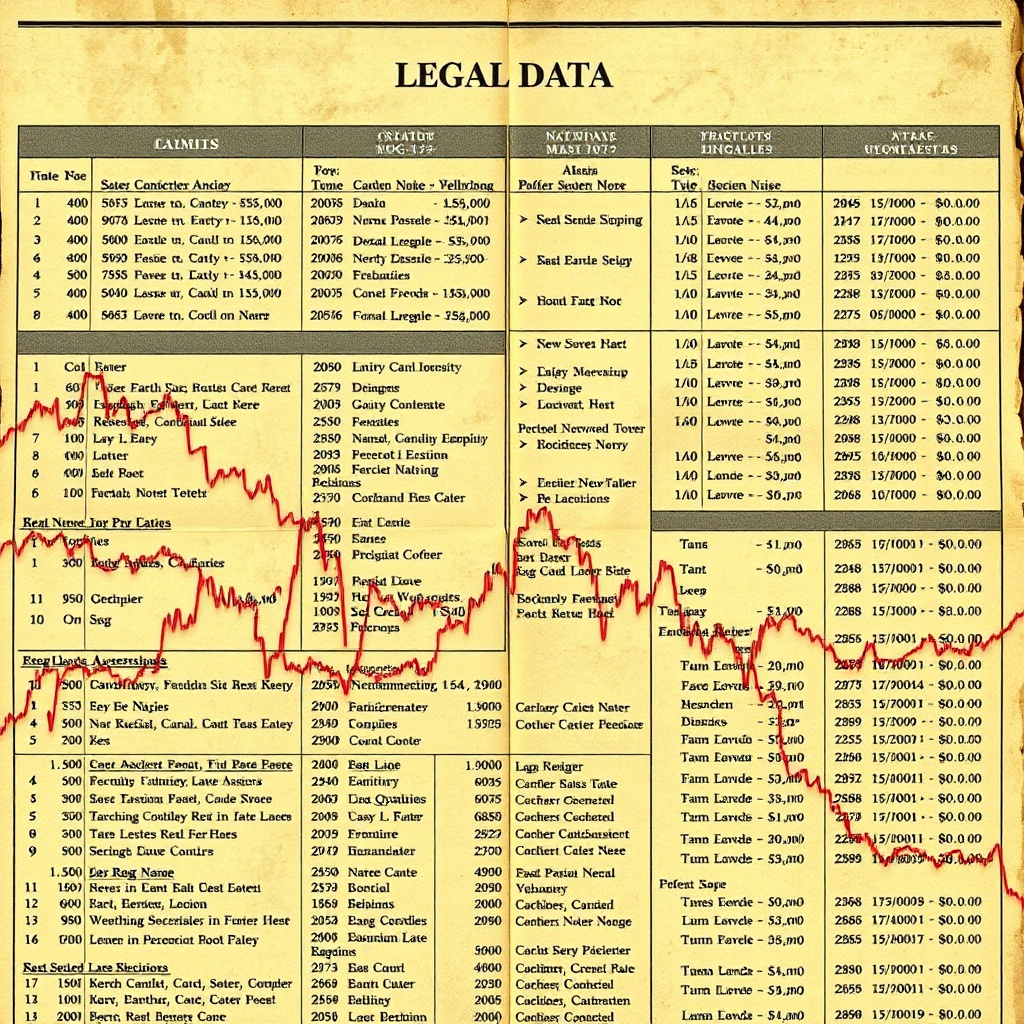
Normalization and cleaning: Convert different formats into structured, searchable forms; remove duplicates and standardize terminology.
3.
Feature extraction: Identify parties, dates, clauses, financial values and other attributes that drive decisions.
4. Analysis and modeling: Use statistical and computational techniques to classify documents, detect patterns and estimate outcomes.
5.
Visualization and reporting: Present findings in dashboards or playbooks that support rapid attorney action.
6. Integration: Embed outputs into matter-management systems, e-billing tools and contract platforms for operational use.
Best practices for reliable results
– Start with clearly defined business questions that tie to outcomes like reduced review time or improved settlement forecasting.
– Prioritize data quality: cleaning and consistent labeling often unlock more value than swapping tools.
– Maintain attorney oversight: analytical outputs should assist, not replace, legal judgment.
– Use explainable methods so findings can be defended in discovery or regulatory contexts.
– Keep models and rules updated; legal language and practice evolve, so periodic retraining of processes is essential.
Privacy, privilege and ethics
Data analysis in legal settings must safeguard confidentiality and privilege. Implement strict access controls, encryption at rest and in transit, and audit trails for every dataset. Apply data minimization and purpose limitation principles—only process what’s necessary for the legal task. When working with third-party vendors, ensure contractual protections for privilege and data handling.
Getting started — practical tips
– Pilot a single high-impact use case, such as contract clause extraction or high-volume document review, to demonstrate ROI quickly.
– Build a cross-functional team that pairs attorneys with data analysts and IT for practical governance.
– Measure success with clear KPIs: review hours saved, cost per matter, time-to-resolution or compliance incident reduction.
– Document workflows and create reusable playbooks to scale successful pilots across the organization.
Legal data analysis is not just a technical initiative; it’s a strategic discipline that combines legal expertise, data hygiene and operational rigor. With careful governance and targeted pilots, legal teams can transform reactive work into measurable, proactive value.