Field briefing
Unlocking the Power of Legal Data Analysis: A Comprehensive Guide for Today’s Law Firms
Deciphering the Complexities of Legal Data Analysis
In the ever-progressing world of digital transformation, the legal sector is not left untouched by the waves of change.
One particular area that is currently experiencing a significant boost in this sector is Legal Data Analysis. This area focuses on the use of data-driven methodologies to extract insights from legal documents and processes.
Law firms and legal departments worldwide are steadily acknowledging the potential of data analysis in enhancing their operations. But what is Legal Data Analysis, and how is it revolutionizing the legal industry?
Understanding Legal Data Analysis
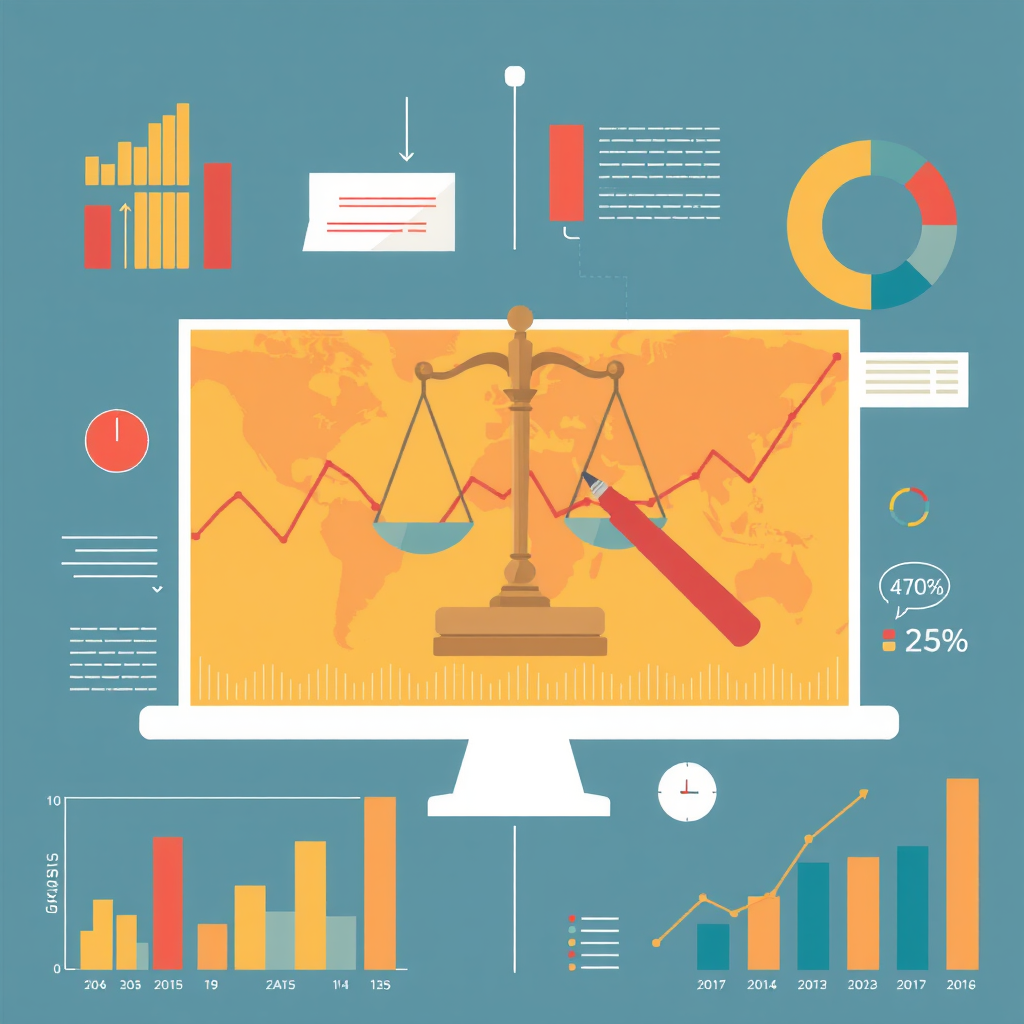
In a nutshell, Legal Data Analysis is the application of data science techniques to legal data. It involves the collection, organization, and analysis of vast amounts of legal data to discover useful patterns and make informed decisions. Legal data can range from court cases, legislation, regulations, and contracts, to internal data such as billing records and productivity metrics.
The Power of Legal Data Analysis
Legal Data Analysis can empower law firms and legal departments in several ways. For instance, the data derived from previous case records can inform lawyers about the odds of winning a case, the time it may take, and the possible costs involved.
This data-driven approach replaces traditional intuition-based decisions with strategic ones backed by concrete evidence.
Similarly, in the area of contract analysis, data science techniques can be employed to analyze the contents of contracts. This process allows for identifying crucial clauses, predicting the implications of those clauses, and even automating the contract creation process.
In the realm of regulatory compliance, legal data analysis can help firms stay up-to-date with the latest regulations, ensuring they’re always on the right side of the law.
It can track and analyze regulatory changes, highlighting the potential impacts on businesses and suggesting the necessary adjustments.
Challenges and Future Perspectives
While the benefits of Legal Data Analysis are apparent, there are certain challenges that need to be addressed. One of the significant challenges is data privacy and security. Legal data often contains sensitive information, and its misuse can lead to serious repercussions.
Hence, robust data protection measures are of paramount importance.
Another challenge is the lack of standardization in legal data. Legal documents often come in different formats and styles, making it difficult to extract and analyze data. The implementation of standardized data formats and extraction techniques can help overcome this challenge.
Despite these hurdles, the future of Legal Data Analysis looks promising.
With the increasing adoption of technologies such as machine learning and natural language processing, the analysis of legal data is becoming more efficient and precise.
Today, many forward-thinking law firms and legal departments are investing in data science capabilities to stay competitive. They are leveraging the power of Legal Data Analysis to drive efficiencies, mitigate risks, and refine their decision-making processes.
In essence, Legal Data Analysis is a transformative tool in the legal sector’s toolbox, heralding a new era of data-driven decision-making. The journey is just beginning, and the legal landscape is set to evolve dramatically as more data-driven insights come to light. Law firms and departments that embrace this change will undoubtedly be better positioned to navigate the complex world of law.